Local guide to office cleaning Brompton South Kensington
If you run or manage an office in Brompton or South Kensington, cleaning is one of those jobs that quietly shapes everything else. A tidy reception, fresh meeting room, and properly maintained washroom do more than look nice. They help staff settle in, reassure visitors, and stop small problems from turning into annoying little disasters. This Local guide to office cleaning Brompton South Kensington is here to make the whole thing easier to think about, whether you need regular office cleaning, a one-off deep clean, or help choosing the right service level for a busy London workspace. Truth be told, office cleaning is rarely just about dust. It is about routine, trust, presentation, and keeping the day moving without fuss.
In an area like Brompton South Kensington, office space can be a bit mixed. You may have compact professional suites, shared offices, consulting rooms, studios, or larger corporate floors hidden behind elegant streets and older buildings. That mix changes what "good cleaning" looks like. The best approach is practical, discreet, and tailored to the building rather than copied from a generic checklist. Let's walk through what that means in real terms.
Table of contents
- Why Local guide to office cleaning Brompton South Kensington matters
- How Local guide to office cleaning Brompton South Kensington works
- Key benefits and practical advantages
- Who this is for and when it makes sense
- Step-by-step guidance
- Expert tips for better results
- Common mistakes to avoid
- Tools, resources and recommendations
- Law, compliance, standards, or best practice
- Options, methods, or comparison table
- Case study or real-world example
- Practical checklist
- Conclusion
- Frequently asked questions
Why Local guide to office cleaning Brompton South Kensington Matters
Office cleaning in Brompton South Kensington matters because the area has a very particular mix of expectations. Clients often arrive with a polished impression in mind. Staff often work in compact spaces where clutter builds up fast. And in many buildings, shared access areas, narrow stairwells, and older finishes mean you cannot treat cleaning as a quick wipe-down job and hope for the best.
A reliable cleaning routine helps with more than appearance. It reduces the build-up of dust around desks and equipment, keeps kitchens and washrooms more pleasant, and supports a calmer work environment. If you have ever walked into a meeting room ten minutes before a client arrives and noticed fingerprints, crumbs, or that odd stale coffee smell lingering in the air... yes, that is exactly the kind of thing good office cleaning prevents.
There is also a local angle here. Offices in Brompton and South Kensington are often near busy roads, high footfall routes, and transport links. That means more outdoor dirt coming in on shoes, more wear on entrance mats, and more glass needing attention. In practical terms, local office cleaning has to account for the pace of the neighbourhood, not just the square footage.
For many businesses, the biggest benefit is consistency. A clean office every day, or every few days, sets a standard. People notice it even if they do not say so. And that quiet confidence matters.
How Local guide to office cleaning Brompton South Kensington Works
Good office cleaning usually starts with a walk-through rather than a generic quote over the phone. You want to look at the space properly: number of workstations, meeting rooms, toilets, kitchen points, floor types, entry areas, and whether the office is occupied during cleaning hours. A small office with heavy daily traffic may need a different plan from a larger but lightly used professional suite.
From there, the service is usually built around tasks, frequency, and access. Typical tasks include:
- vacuuming and floor care
- desk and surface dusting
- touchpoint sanitising
- washroom cleaning and replenishment
- kitchen and break area cleaning
- bin emptying and waste handling
- glass and internal window wiping
- periodic deeper cleaning of carpets or flooring
In some workplaces, cleaners work early morning before staff arrive. In others, they come after hours. Both can work well. The right choice depends on security, access, noise tolerance, and how the office is used. To be fair, an evening clean is often less disruptive, but not every business wants or needs that. A small practice with sensitive materials may prefer cleaning when a manager is present. A bigger team may just want everything ready before the first laptop opens.
Specialist add-on services can also matter. For example, a business with fabric seating might benefit from upholstery cleaning, while offices with a lot of carpeted space may pair their routine plan with carpet cleaning. If your office has hard flooring, then hard floor cleaning is often the piece that keeps the whole place looking cared for rather than just "tidy enough".
Key Benefits and Practical Advantages
The benefits of office cleaning are easy to state, but the real value shows up in day-to-day use. A properly cleaned office feels lighter to work in. It smells fresher. It makes it easier to keep desks clear and shared areas under control. And yes, it can help you avoid those awkward moments when a visitor spots yesterday's mug ring before they spot your best presentation board.
Here are the main advantages in plain English:
- Better first impressions: clients, suppliers, and new starters notice the environment immediately.
- Improved hygiene: washrooms, kitchens, and shared touchpoints stay cleaner between deeper cleans.
- Less clutter creep: regular routines stop small messes from becoming the office norm.
- Longer life for surfaces and flooring: dirt, grit, and spills wear materials down over time.
- Better staff comfort: people generally work better in a clean, orderly space.
- Lower stress for managers: one less thing to chase before the day begins.
There is also a subtle commercial benefit. A tidy, well-run office can support your brand image without saying a word. That matters in South Kensington especially, where many businesses are client-facing and reputation-sensitive. The environment becomes part of the experience.
If you are comparing options, it can help to think in layers. A standard maintenance clean keeps the office presentable. A one-off deeper clean tackles built-up dirt. A scheduled plan blends the two so you are not constantly firefighting. For many businesses, a combination of office cleaning and occasional deep cleaning is the sweet spot. Not overcomplicated. Just sensible.
Who This Is For and When It Makes Sense
This guide is relevant for office managers, landlords, facilities coordinators, practice managers, and small business owners who need a dependable cleaning setup in Brompton or South Kensington. It also makes sense for anyone setting up a new office, moving into a managed space, or trying to improve a cleaning contract that is not quite doing the job.
It tends to make the most sense if you recognise any of these situations:
- your office has growing foot traffic and cleaning is falling behind
- you are preparing for client visits, recruitment days, or inspections
- shared kitchens and washrooms need more consistent care
- staff have started doing "just enough" tidying because the baseline is not strong enough
- you want after-hours cleaning to protect working time
- you have recently refurbished, reconfigured, or expanded the office
If the office is very small, you may not need a large contract. If the office is busy, customer-facing, or spread across multiple rooms, a more structured plan usually pays for itself in reduced hassle. For some workplaces, a periodic one-off cleaning is enough to reset standards before moving into a regular schedule. That can be a smart move when things have drifted a bit. It happens.
And if you are fitting out a new space or coming back after construction work, you may need something more specialised first, such as after builders cleaning. Paint dust and fine debris have a way of hiding in corners you would never expect. Nasty little stuff, really.
Step-by-Step Guidance
Here is a practical way to approach office cleaning in Brompton South Kensington without making it more complicated than it needs to be.
- Map the space. List every room, area, and surface that needs attention. Include entrances, meeting rooms, toilets, kitchen areas, storage spaces, and any shared corridors.
- Separate high-touch and low-touch tasks. Handles, switches, counters, and shared equipment need more frequent attention than low-traffic surfaces.
- Set cleaning frequency by use, not assumption. A busy office kitchen may need daily attention. A small meeting room may not.
- Choose your timing carefully. Early morning, evening, and weekend cleaning all have different pros and cons.
- Agree the standards in writing. Be specific about what is included so nobody is left guessing later.
- Build in periodic deep work. Carpets, floors, upholstery, and windows need more than routine dusting.
- Review after the first few visits. This is where you catch missed details, access problems, or unrealistic expectations.
A lot of cleaning issues come from unclear expectations rather than poor effort. For example, "clean the kitchen" is vague. "Empty bins, wipe counters, disinfect handles, clean sink, and tidy visible surfaces" is useful. The cleaner knows what "done" means, and so do you. Simple, but it saves headaches.
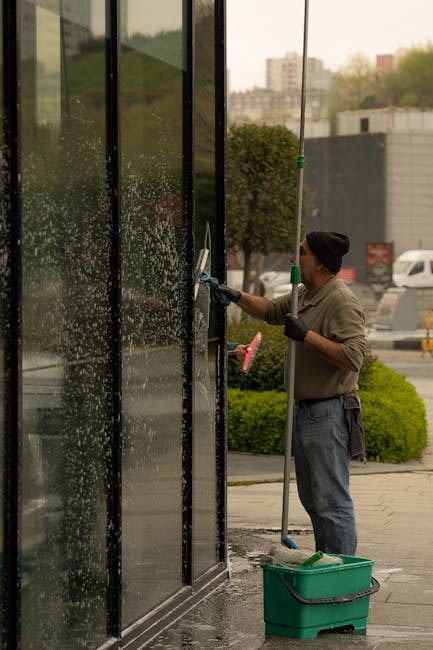
If your office has a lot of glass or natural light, internal smudges and external dirt become more obvious during the day, especially around late morning when the light comes through. In that case, adding window cleaning at the right interval can make a bigger visual difference than people expect.
Expert Tips for Better Results
After a while, office cleaning becomes less about "cleaning harder" and more about cleaning smarter. A few small adjustments can make a big difference.
- Keep clutter under control first. Cleaners are not magicians. If desks are covered in loose paperwork, the work slows down and standards drop.
- Label responsibility zones. Shared desks, client areas, and staff-only rooms often need different handling.
- Use the right cleaning rhythm. Some tasks should happen daily, others weekly, others monthly. Not everything needs the same intensity.
- Prioritise entrances. Dirt comes in from the doorstep and spreads from there. Matting and entrance care matter more than most people think.
- Pay attention to kitchens. A clean kitchen changes the whole feel of the office. It is a small room with big influence.
- Ask about insurance and safety. Any professional provider should be able to explain how they manage risk and access without making it feel like a drama.
One very practical tip: keep a short feedback note for the first month. A line or two after each clean is enough. "Meeting room fine, bins missed in print room," or "toilets good, need more attention on taps." That sort of thing. It sounds basic, but honestly, it keeps standards steady.
If your office has carpeting in reception or corridors, pairing regular maintenance with carpet cleaning support can help keep fibres from looking tired too soon. Offices age visually through the floor before they age anywhere else, in my experience.
Common Mistakes to Avoid
Most office cleaning mistakes are avoidable. They usually come from rushing the setup or assuming everyone means the same thing by "clean". They do not, by the way.
- Choosing price over fit. The cheapest option can be expensive if it misses key tasks or causes disruption.
- Not defining frequency. A weekly clean may not be enough for a busy client-facing office.
- Ignoring access and security needs. Keys, alarms, codes, and sign-in procedures should all be sorted before day one.
- Forgetting soft furnishings and floors. Dust settles in fabric and carpets, then quietly returns to the air and surfaces.
- Leaving kitchens and washrooms as an afterthought. These are the spaces people remember most.
- Failing to review the service. Cleaning contracts work best when they are checked and adjusted, not left to drift.
Another common mistake is assuming routine cleaning can replace periodic deeper work. It cannot. Routine keeps the office presentable; deeper cleaning restores it. If you need both, say both. Nobody benefits from vague optimism.
Tools, Resources and Recommendations
You do not need a cupboard full of specialist equipment to manage office cleaning well, but you do need the right categories of tools and a sensible service plan.
Commonly useful items and service areas include:
- microfibre cloths for dust and surface work
- proper vacuuming equipment for carpets and mats
- safe, appropriate cleaning products for shared surfaces
- sanitising materials for handles and touchpoints
- waste bags and bin liners suited to office use
- floor care tools for hard floors and entrance areas
- scheduled specialist support for carpets, upholstery, or windows
When choosing a provider, it helps to look beyond the service name and ask practical questions. What areas are included? How is access handled? Are the timings flexible? What happens if you need an extra clean before a meeting or visit? Those answers tell you far more than a shiny one-line pitch.
Useful related services to consider, depending on your setup, include office cleaners, cleaning company support, and professional cleaners when you need a broader cleaning arrangement. If your office doubles as a reception or client-facing workspace, the presentation side matters just as much as the hygiene side.
Law, Compliance, Standards, or Best Practice
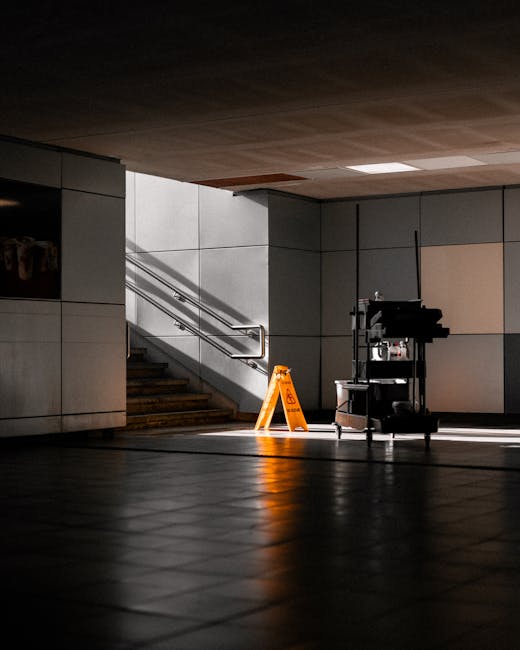
Office cleaning in the UK sits within a wider framework of workplace health, safety, and duty of care. Without getting too legal about it, employers and managers should think about safe access, reasonable hygiene, and risk reduction. That includes using suitable products, keeping walkways safe, and avoiding cleaning methods that leave floors slippery or areas obstructed.
Best practice usually includes:
- clear instructions for cleaners and staff
- safe handling of chemicals and equipment
- attention to slips, trips, and falls
- proper disposal of waste
- care around electrical equipment and cables
- respect for privacy and sensitive documents
Insurance matters too. If a cleaner is working in a live office, the provider should be able to explain their approach to safety and coverage in plain language. You should not have to decode it. It should make sense the first time.
If compliance and trust are important to you, it is sensible to review the provider's health and safety policy and insurance and safety information. You may also want to check service terms, payment process, and data handling through terms and conditions, payment and security, and privacy policy. Not glamorous reading, I know. Still worth it.
Options, Methods, or Comparison Table
Different offices need different cleaning models. Here is a simple comparison to help you choose.
| Approach | Best for | Strengths | Watch-outs |
|---|---|---|---|
| Daily maintenance cleaning | Busy offices, client-facing spaces, shared facilities | Consistent presentation, hygiene, low disruption | May need extra deep work for carpets or fabric |
| Weekly cleaning | Smaller offices or lightly used spaces | Lower cost, easy to manage | Can be too infrequent for kitchens and washrooms |
| One-off deep clean | Move-ins, refreshes, post-event or overdue spaces | Strong reset, useful before relaunch or inspection | Does not maintain standards on its own |
| Mixed routine plus periodic specialist work | Most professional offices in Brompton South Kensington | Balanced, flexible, practical | Needs slightly more planning |
In many real offices, the mixed approach is the most useful. Routine cleaning keeps day-to-day standards in place, while specialist support handles carpets, windows, or hard floors when they start looking tired. That balance often feels less expensive in the long run because nothing gets neglected for too long.
Case Study or Real-World Example
A small professional office near South Kensington might have six staff, a compact kitchen, one client meeting room, and carpeted corridors. At first, the team may try to manage with occasional tidy-ups and an irregular clean. It works for a while. Then visitor traffic increases, the kitchen starts to show more wear, and the carpet at the entrance begins to look darker than it should.
The fix is usually not dramatic. It might involve a regular maintenance clean after hours, extra attention on the kitchen and washroom, and a quarterly deeper clean for floors and soft furnishings. If the office has a lot of reception seating, upholstery care can make the whole room look fresher without replacing anything. A small amount of planning, and suddenly the place feels better. Quieter, even.
That kind of setup is especially helpful when the office is in a building where access is tighter or cleaning windows are limited. The service has to be discreet and efficient, not theatrical. Nobody wants a cleaning parade in a narrow stairwell at 7 a.m., let's be honest.
Practical Checklist
Use this checklist before you book or review an office cleaning arrangement in Brompton South Kensington.
- Have you listed all rooms and surfaces that need cleaning?
- Have you decided which tasks are daily, weekly, and occasional?
- Have you matched cleaning times to office hours and access needs?
- Have you confirmed what is included in the service?
- Have you identified any carpets, floors, windows, or upholstery that need extra attention?
- Have you checked safety, insurance, and working procedures?
- Have you agreed how feedback will be handled?
- Have you considered a one-off reset if standards have slipped?
- Have you planned for periodic deeper cleaning?
- Have you made sure the provider understands the character of the building and the neighbourhood?
If you can answer yes to most of those, you are in a strong position. If not, no panic. It just means the setup needs a bit more clarity before work begins.
Conclusion
A good office cleaning plan in Brompton South Kensington is not about being flashy. It is about being dependable, thoughtful, and suited to the way your office actually works. The best results come from matching the cleaning routine to the space, the people in it, and the standards you want visitors to feel as soon as they walk through the door.
Whether you need routine maintenance, a reset clean, or specialist support for carpets, hard floors, or windows, the key is to keep things practical. Clear expectations. Sensible scheduling. A little local judgement. That is what makes the difference between a place that just looks cleaned and a place that feels well cared for.
Get a free quote today and see how much you can save.
Frequently Asked Questions
What does office cleaning usually include in Brompton South Kensington?
Most office cleaning plans include dusting, vacuuming, bin emptying, kitchen wiping, washroom cleaning, and touchpoint sanitising. Some offices also add floor care, window cleaning, or upholstery work depending on the building and daily use.
How often should an office be cleaned?
It depends on footfall, layout, and how the space is used. Busy offices often need daily cleaning, while smaller or lightly used spaces may manage with less frequent visits. Kitchens and toilets usually need the most regular attention.
Is one-off cleaning enough for an office?
Sometimes, yes, if the office is small or only needs a reset. But if staff and visitors use the space regularly, a one-off clean will not maintain standards for long. It is better viewed as a starting point or occasional refresh.
What is the difference between office cleaning and deep cleaning?
Office cleaning is usually routine maintenance. Deep cleaning goes further and targets built-up dirt, hard-to-reach areas, and neglected surfaces. Many businesses use both, with deep cleaning happening less often.
Can office cleaning be done outside working hours?
Yes, and that is often the easiest arrangement. Early morning, evening, and weekend cleaning can reduce disruption. The best timing depends on access, security, and the type of office.
How do I choose the right cleaning provider?
Look for clear scope, reliable timing, safety awareness, and communication that feels straightforward. It helps if the provider understands office environments rather than treating them like domestic spaces. Different rhythm entirely.
Do I need specialist carpet or floor cleaning too?
If your office has carpeted areas, high-traffic floors, or reception spaces that show wear quickly, specialist cleaning is often worthwhile. It helps protect appearance and can extend the life of the surface.
What should be agreed before cleaning starts?
You should agree the cleaning schedule, access arrangements, included tasks, priority areas, and how feedback will be handled. It is also wise to confirm safety procedures and what happens if something is missed.
Why does office cleaning matter for client-facing businesses?
Because the environment becomes part of the client experience. A fresh, tidy office signals care and professionalism before anyone says a word. That first impression really does linger.
Are cleaning terms and safety details worth checking?
Yes. It is sensible to review service terms, payment details, privacy information, and safety practices before work begins. A provider that explains these clearly is usually easier to work with in the long run.
What if the office has already got messy and needs a reset?
That is common. A one-off cleaning visit can help bring the space back to baseline before you move into a regular routine. If the space has been undergoing work, after-builders cleaning may be the better first step.
Can office cleaning help with morale?
Absolutely. People tend to feel better in a space that looks cared for. It is not magic, just one of those practical things that quietly changes the mood of the day.
How do I know if the cleaning schedule is too light?
If bins overflow, kitchens feel grubby before the week is out, or visitors start noticing dust and marks, the schedule is probably too light. Offices have a way of telling you, if you pay attention.